Tips for Attending A Conference When You’re Autistic
aka, aspen’s declassified conference survival guide (results may vary)


I recently eased myself back into LIS conference attendance after 4+ years of little to no such activity. It was for a one-day affair a few hours’ drive away, with maybe 40–60 people in attendance. Because of my detail-oriented mind, possibly in combination with my anxiety and/or autism, I like to have a plan for new experiences, particularly when I’m embarking on them alone, so I prepared extensively ahead of the conference. Now that it’s over and the ideas I’ve encountered are percolating in the back of my mind, I wanted to share some tips that I learned or was reminded of. I hope they help!
Tip #1: You will walk. Probably a lot.
Don’t fall into the trap of thinking that because it’s a conference jam-packed with concurrent sessions, you’ll be sitting around all day. Whether the conference is at a sprawling convention center or on a university campus with far-flung parking, be prepared to meet or surpass your daily step goal. And while you may perhaps be at a smaller conference location that involves less walking, I recommend erring on the side of caution and wearing comfortable shoes; even if the conference space itself is contained, you may still make an unplanned excursion on foot to a local restaurant or other destination with your new acquaintances and colleagues.
Case study: At the recent conference I attended, the closest parking to the building where sessions were held was a 10+ minute walk. I also met someone who worked for a special collection on campus that I’ve been wanting to visit, so I joined a small group of other attendees to make an unofficial visit to said collection, which was around a 15 minute walk each way. One of the other attendees was wearing heels, and she commented on how her feet were killing her. I also observed that most of the more seasoned conference attendees were wearing sneakers with their blazers—you most likely won’t look out of place for swapping heels or pinching dress shoes for comfier sneakers.
Tip #2: Plan out parking in advance, and have a few backup plans
Parking may be difficult to navigate, particularly if you’re going to a university campus. Read all available parking information beforehand—both from the conference organizers themselves and from the institution hosting the conference—and be aware of any restrictions, constraints, or permit needs. Identify where you can acquire a permit and have 2–3 parking lot options that you’re aware of in case your first-choice lot is full. When determining what time you need to leave for the conference, factor in buffer time for parking.
Case study: In part because I (intentionally) arrived late and skipped the first few sessions of the conference, the parking office ran out of permits. I also had a helluva time finding said office on-foot (having my partner offer remote support while I ranged around the building was extremely helpful). I finally found the office and learned about the lack of permits, but also that they still validate metered parking tickets, and that I was fine to leave my car parked where it was. It was incredibly confusing to figure out parking, and I was grateful I had given myself an hour of buffer time for navigating traffic and parking.
Tip #3: Bring supports to manage sensory overwhelm
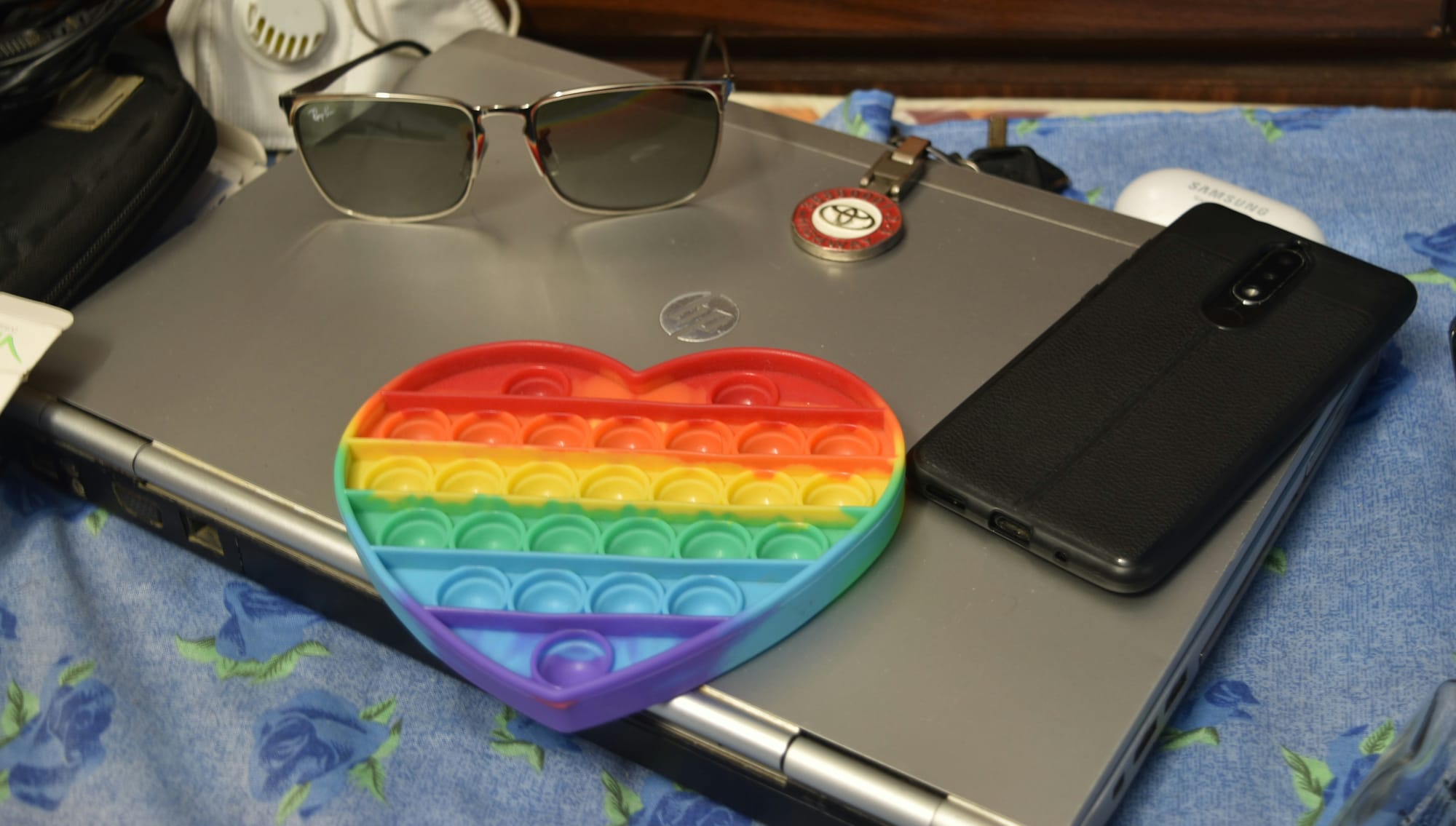
Be aware of your own needs in terms of sensory supports and pack accordingly. Give yourself an array of options: Might you need a few different types of fidgets? Headphones so you can listen to music during a break? A hat or sunglasses to block harsh overhead lights? Do whatever you need to do to ensure that the conference is a meaningful experience for yourself and that you’re able to socialize, network, and learn while there.
Case study: While I brought fidgets I ultimately didn’t use, I did make use of a baseball cap. About halfway through my time at the conference, I realized the fluorescent overhead lights were causing eye pain, and I was getting physical warning signs that I might get pushed into a meltdown if I continued sans supports. While a baseball cap is perhaps not the most professional attire, at that point I didn’t really care if I got stared at because I knew it was a support I needed. In fact, because I so often need a baseball cap, I keep an extra one in my car for easy access during day-to-day life.
Tip #4: Script how you’ll introduce yourself
Think of, or even research, some common questions and discussions that may arise at the conference you’ll be attending. People will most likely ask what institution/organization you’re part of or representing, so think of phrasings to succinctly explain. And make sure to talk yourself up a little! Be proud of your accomplishments and/or current course of study.
Case study: I personally find light “scripting” to be helpful when I approach a new situation—figuring out what I might ask or how I will respond to common questions. In the midst of my preparations, however, I didn’t consider this element, which led to, in my opinion, some awkward moments wherein people asked perfectly reasonable questions that I felt I didn’t have an answer to. It was halfway thru the day when I realized it sounds a lot better to say “I’m a graduate student in [institution]’s MLIS program” instead of “I’m taking classes thru [institution].”
Tip #5: Identify which sessions you want to attend—and which you’re willing to skip
In case you haven’t picked up, I’m a big proponent of pre-planning for big, new, socialization-heavy events. Another aspect of my planning strategy is to look ahead at the conference schedule and identify which sessions I would love to attend, which I might attend, and which I feel indifferent toward or entirely against. As you prepare, figure out your top three or four sessions so you have a plan and know what the loose shape of your day will look like. But also be prepared to change your session attendance plan! Hit the sessions you want to, but give yourself some flexibility for changes that may arise as you talk to your colleagues or go about your day.
Case study: In order to make an unofficial visit to the on-campus special collection, a group of us decided to entirely skip a session so we had ample time to make our excursion. I had already identified that session block as a lower priority, so I was completely fine with skipping it for something I determine to be more meaningful.
Tip #6: Prepare for an extended emotional dip once you return home
Conferences are wonderful opportunities to connect with industry professionals, build your network, and be exposed to new and upcoming ideas and processes. But all this socializing and new information, particularly when paired with an unfamiliar and potentially overstimulating physical environment, can be taxing. And then you have to go back to your workplace soon after, where you may be the only person who was present at such an exciting event. This combination of factors may lead to a dip in your emotional state.
Case study: Because of how my autism and OCD work, I had a rough drive home, and once I was home, I laid on the couch for a few hours passively watching a movie and feeling achy and tired, as if I had the flu. The next day, a Saturday, I felt rejuvenated and ready to tackle the world, but then Monday rolled around and I was back to being a [job title unrelated to the conference topic], and afterward I had plenty of boring schoolwork that I felt entirely unmotivated to tackle. I slipped into a depression that felt hard to shake. The conference was thrilling and exciting, and normal life is so boring! As a result, I suggest doing what you can to prepare for not just the day after the conference, but the week after the conference: How can you take care of yourself? What are ways you can engage with the conference’s ideas and follow up with new connections in a balanced way that feels nourishing without putting extra pressure on yourself?
My Conference Packing List
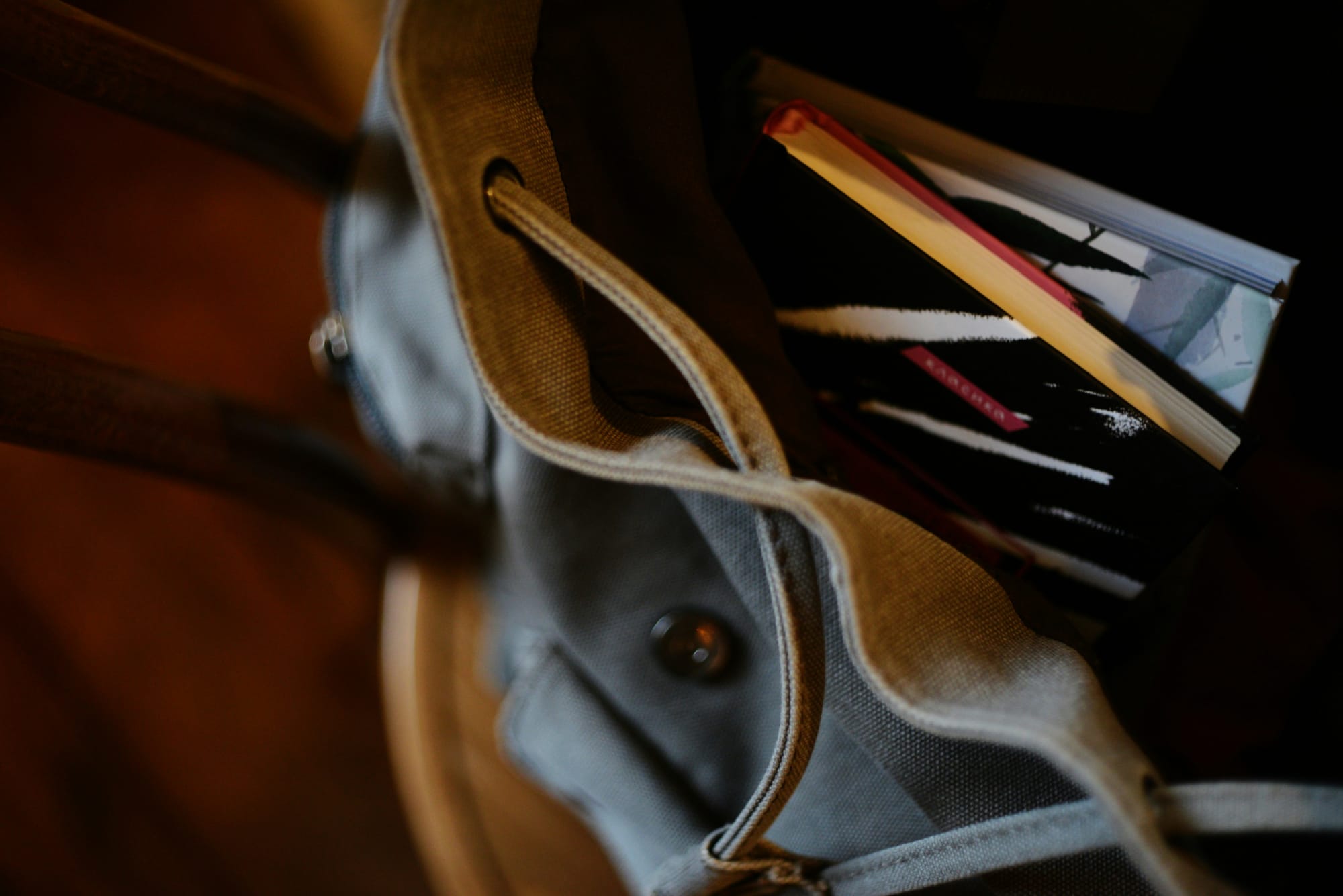
In my tote bag (you could also use a backpack)
- Sweater/blazer/jacket - even if the day is warm outside, the AC may be blasting at an uncomfortably cool temperature
- Notebook + writing utensils - I saw some people take notes on tablets, so use whatever system works for you!
- Snacks (for yourself + some to share) - there may be snacks provided at the conference, but I recommend packing some safe foods/snacks you can rely on just in case you don’t like the snacks offered
- Sensory supports (fidgets, headphones, gum, hat, etc.) - I did not use these (aside from a baseball hat), but I was still glad to have them on hand
- Business cards - I did not have these, but they’re a quick and easy way to establish connections and, ideally, maintain them after the conference
- Printed parking materials (map, places to get a permit)
- Phone charger
- Water bottle
- Medications (for me, this included my rescue inhaler, anxiety pills, and cough drops)
- Pronoun pin - I forgot this one, and while it wasn’t a huge mistake, it still made me a bit sad to not have it pinned to my lanyard
- Tank top (for layering) - the conference was on a very hot day, so I didn’t need this
- Playlists, audiobooks, and/or podcasts downloaded to or queued up on your phone (for drive to/from conference or breaks between sessions)
In my car
- Change of clothes for drive home - Did not use but was glad to have them
- Umbrella - Did not use since the weather was quite sunny all day
- Lint roller - Did not use
A note specific to Library & Information Science-based conferences: LIS is a very queer industry, and I interacted with multiple visibly and out queer archivists at the conference I went to. There were people wearing professional-witchy clothes, punk-professional, and dweebs like me in black slacks, a button-down, and a sweater. No one will look at you weird if you have a belt chain or a glasses chain or a sweater vest, and in fact, you may even get compliments! I had no less than three people compliment my bird tote. You can be yourself in professional spaces, including at conferences!